

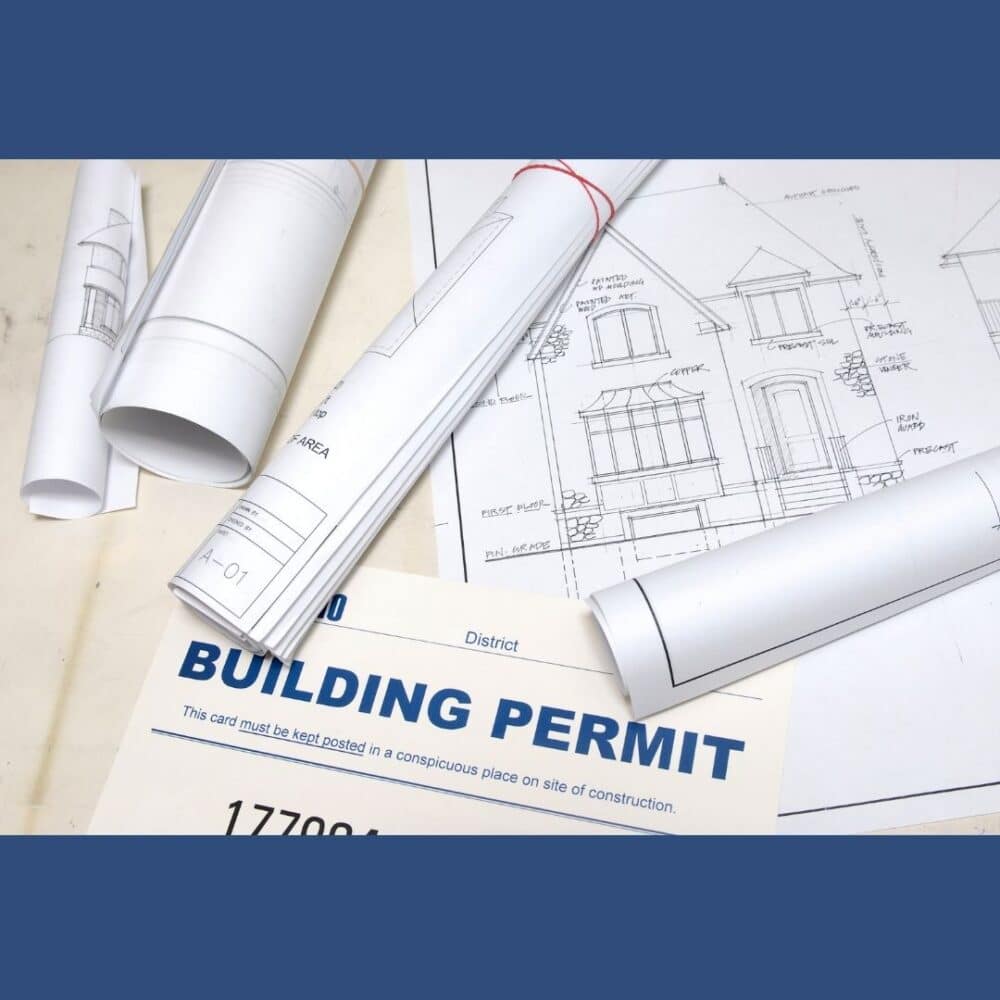
When starting a home improvement project, it’s natural to focus on design choices, color schemes, and whether to hire a professional or tackle the work yourself. However, one important consideration often overlooked is determining whether the project requires a building permit from the City.
Building permits are official approvals issued by the City for construction and renovation projects. They are required for most types of construction work and help ensure that projects comply with applicable building, construction, and zoning codes. By requiring permits, the City helps protect homeowners and the public by promoting safe construction.
Projects Requiring a Building Permit
Projects changing the configuration of walls, pipes, wiring, roofs, or major appliances, as well as new lighting or electrical upgrades, typically require at least one type of building permit.
Kitchen upgrades installing new behind-wall plumbing, new gas lines, exhaust hood, etc.) and new electrical components (upgraded outlets, lighting fixtures) also typically require inspection under a permit.
Bathroom upgrades including electrical upgrades (new outlets, new light fixtures) and plumbing alterations (demo-rebuild of shower enclosure, removal of drop-in tub, shower pan work, behind-wall plumbing typically require inspection under a permit. This may include modifying or altering a shower or bath enclosure area surfaces under a bath-shower retrofit project.
Projects involving drywall removal and replacement, especially in areas requiring “greenboard” or minimum fire resistance rating, would require inspection under a permit.
The Building & Safety Division staff are accustomed to addressing questions by phone, email and in-person, so don’t hesitate to reach out to find the answers you need or whether a project requires a permit.
Projects that Do Not Need a Building Permit
Projects not requiring a building permit are simple surface (cosmetic) projects and small structures.
In alignment with the 2025 California Building Code Section 105, here are common projects which do not require a building permit:
- Surface and Cosmetic Improvements
- Cabinet refacing or replacement without changing walls, space configuration, plumbing, or electrical fixtures (no new wiring or plumbing).
- Countertop replacement (existing electrical and plumbing features remain).
- Decorative tile installations (where drywall is not demolished and replaced).
- Floor finishes such as carpet, linoleum, and tile.
- Painting.
- Appliance repairs which do not alter the appliance’s original approval and listing.
- Electrical switch replacements in existing boxes.
- Faucet or toilet repair and re-install.
- Awnings over doors or windows that do not project more than 54 inches in Group R-3 or U occupancies.
- Detached storage accessory structures of 120 square feet or less and that will not be electrically wired or plumbed (must also comply with zoning regulations).
- Driveways and walkways which do not cross over a basement and do not exceed 30 inches above grade.
- Swimming pools that are prefabricated and above-ground, holding a maximum of 5,000 gallons and used only at a single-family property that are less than 24 inches deep.
- Wood fences or walls not over 7 feet tall (must also comply with zoning regulations for location and height).
- Site block walls not over 6 feet in height (must also comply with zoning regulations for location and height).
- Retaining walls not over 4 feet in height measured from the bottom of the footing to the top of the wall, unless supporting a surcharge or impounding Class I, II or IIIA liquids.
- Movable racks under 5’ – 9” in height.
- Swings and other play equipment for detached one- and two-family dwellings.
- Repairs to driveway aprons and sidewalks may require a permit; contact the Public Works Department.
What If I Skip Getting a Building Permit?
If your project requires a permit, get a permit. If you are working with a contractor who suggests skipping this step, consider moving on to another contractor.
Even though the permitting process may seem burdensome, it will be better than obtaining a permit after the fact. The city could double the permitting fees. It could also shut down your project or require you to tear down your work (for example, remove a wall to see what’s behind it) if there is a question as to whether the work was done according to code.
The worst thing would be if this were to happen when you’re in the middle of trying to sell your house, which is when such issues often come to light. Unpermitted construction can lower your home’s value, and you might even need to bring it up to code as a condition of the sale.
Please Contact Us
The Building & Safety Division staff are accustomed to addressing questions by phone, email and in-person, so don’t hesitate to reach out to find the answers you need or whether a project requires a permit. Building staff can be reached at: buildinggroup@cityofgoleta.gov or 805-961-7552. There are numerous handouts and Building forms accessible on the City’s Building Division page on the city’s website.