

Copper is a common metal pollutant that can negatively impact water quality and aquatic life. While copper is a naturally occurring element and an essential nutrient at low levels, elevated concentrations in stormwater and surface water can be harmful. Learn more about what copper is, how it affects local watersheds and ecosystems, and what actions we can take to reduce copper pollution below.
What is Copper?
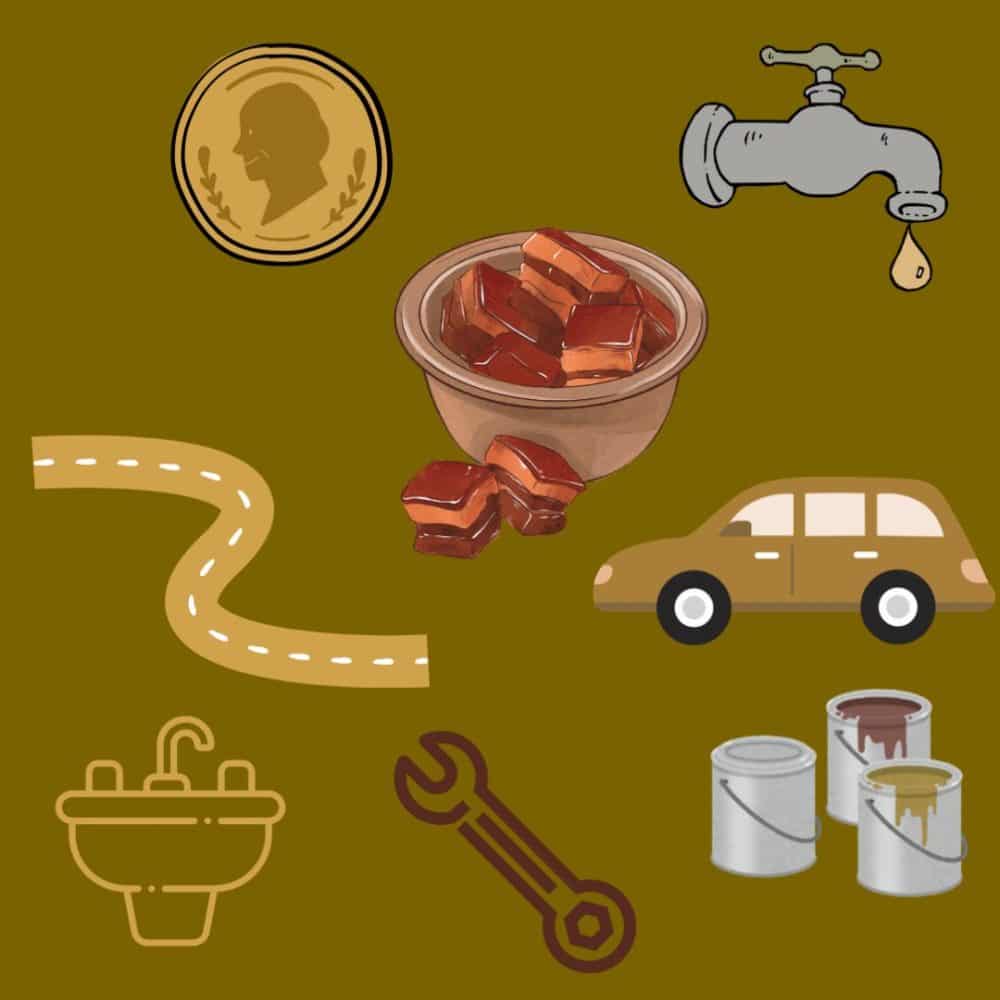
Copper is a naturally occurring metal found in rocks, soils, water, plants, animals, and humans. It is widely used in plumbing, electrical wiring, brake pads, roofs, pesticides, algaecides, and boat paints designed to prevent marine growth. Copper is an essential nutrient for humans and other organisms at low levels, but it can become toxic at high concentrations.
In urban environments, copper can enter stormwater from a variety of sources, including vehicle brake pad wear, building materials, copper-containing fertilizers and pesticides, roofing materials, and corrosion of pipes and fixtures. Storm drains discharge untreated into local creeks, wetlands, groundwater recharge areas, and coastal waters, allowing copper to enter local waterways and aquatic habitats.
Impacts of Copper Pollution
Copper is one of the most commonly detected metals in urban stormwater runoff. During rainfall or irrigation events, copper particles from roads, parking lots, rooftops, landscaping products, and vehicle wear can be washed into storm drains and discharged into nearby waterways.
Elevated copper levels are toxic to aquatic life, especially fish and aquatic invertebrates. Copper can interfere with fish’s ability to smell, which affects their ability to find food, avoid predators, and reproduce. Chronic exposure can reduce growth, impair reproduction, and disrupt metabolism in aquatic organisms, even at low concentrations.
Copper tends to bind to sediments and organic material, allowing it to persist in the environment and accumulate in creek and estuary sediments over time. This can lead to long-term degradation of aquatic habitats and contribute to water quality impairments in urban watersheds.
For information about copper and human health, please refer to public health agencies such as the Centers for Disease Control and Prevention (CDC), the Agency for Toxic Substances and Disease Registry (ATSDR), or the U.S. Environmental Protection Agency (EPA).
What can I do to Reduce Copper Pollution?
Residents can take the following actions to help prevent copper pollution:
- Maintain and replace old copper plumbing to reduce corrosion and leaching
- Use non-copper plumbing materials where possible
- Replace copper-based paints and coatings with safer alternatives
- Properly dispose of household chemicals, paints, and cleaning products
- Avoid overusing fertilizers or pesticides that contain copper
By taking these preventative actions, residents can help reduce the amount of copper entering stormwater systems before it reaches local creeks and coastal waters. Preventing copper pollution at the source is a key part of protecting aquatic habitats and maintaining healthy water quality throughout the community.
For more information, please visit the U.S Environmental Protection Agency (EPA) website on copper: Lead and Copper Rule | US EPA and Aquatic Life Criteria – Copper | US EPA